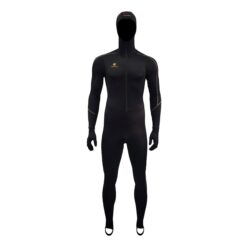


Cressi Barrier UPF 50+ Stinger Suit – Adult Unisex
Coverage and construction
Check the neck, wrist and ankle coverage of each suit.

Compare lightweight full-body stinger suits and dive skins for snorkelling and swimming. Choose from adult and junior designs, checking each suit’s coverage, material, fit and stated protection features for your trip.
Check the neck, wrist and ankle coverage of each suit.

Check the model’s stated features and follow local advice.

Use the exact suit’s size guide and current body measurements.
Look at the areas each design covers, including the neck, wrists and ankles. Some suits include a hood and gloves, while others use thumb and foot loops to help hold the fabric in place. Check the individual product details: these features vary between models. Separate rash tops, shorts and leggings do not offer the same coverage as a full-body suit.
A full-body suit can help reduce exposed skin, but no suit guarantees protection from every sting. Follow local lifeguard advice and safety signs, and do not enter the water when a beach is closed. Check the individual model’s UPF rating for sun protection over covered skin; a UPF rating does not measure protection against marine stings.
Use the product’s size guide where available, taking the requested measurements in centimetres. Check that the suit allows comfortable movement and that closures and openings sit as intended. Junior age ranges are approximate guides only. When buying for a child or as a gift, ask for current measurements rather than relying on an age label.
Lightweight stretch suits provide fabric coverage with limited insulation. If warmth is a priority, compare snorkelling wetsuits or kids wetsuits. For separate rashwear and thermal layers, explore thermals and sportswear. Visit Kids & Junior Snorkelling Gear to build the rest of a younger swimmer’s kit.