
Apeks EGRESS Octopus
Original price was: $320.00.$299.00Current price is: $299.00. inc. GST
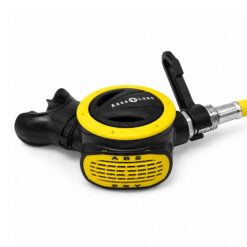
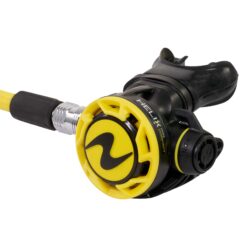
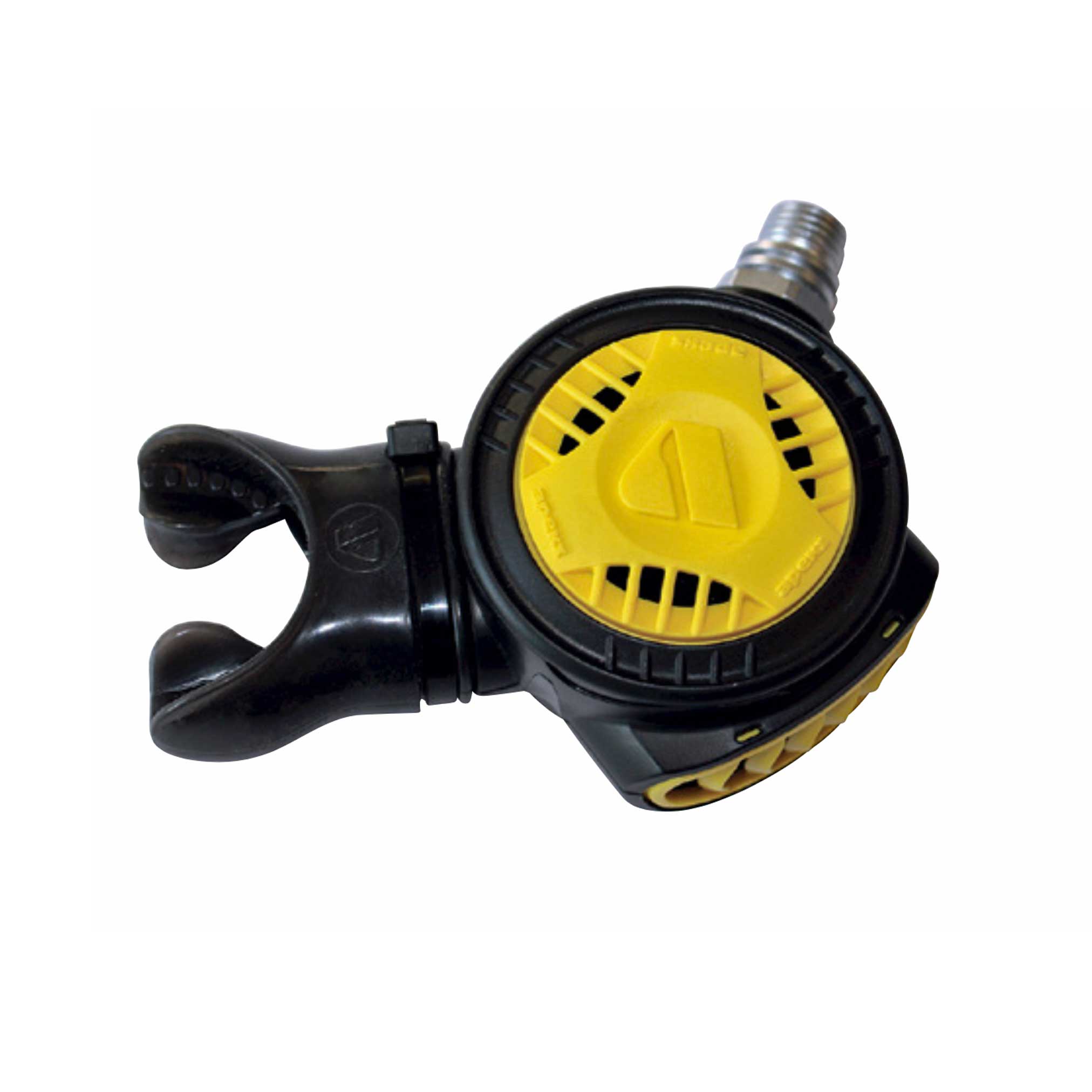
Apeks EGRESS Octopus. Low-profile alternate air source with flexible donation orientation.
SKU: RS113114
8 in stock
Apeks EGRESS Octopus
The Egress uses a low-profile layout that can be offered from either side. Its pneumatically balanced second stage and large purge button make it a distinctive alternate air source for divers who prefer flexible donation orientation.
Features and benefits
- Balanced second stage. Pneumatic balancing reduces the force needed to open the demand valve, helping the second stage respond smoothly as you inhale.
- Either-side deployment. The low-profile layout can be offered from either side and used in either orientation, giving flexibility when positioning an alternate air source.
- Accessible purge. The large purge button is easy to locate and press when clearing the second stage, including when wearing gloves.
- Visible alternate air source. The yellow hose and cover make the octopus easier to distinguish from your primary regulator when locating and deploying it.
- Compact stowage. The flat body reduces bulk when arranging the octopus in a suitable holder.
Setup and compatibility
Use as an alternate second stage in a compatible regulator system, with hose routing and stowage matched to your training and equipment.
For cold-water use, the Egress must be paired with an appropriate environmentally sealed Apeks first stage and configured according to the manual.
Care, rinsing and storage
Clean this component as part of a complete, correctly assembled regulator system. After each dive, connect the assembled regulator to a scuba cylinder and open the valve to pressurise the system. Keep it pressurised while fully submerging the first stage, second stages and connected hoses in fresh water. This allows thorough cleaning of the exposed components and hoses while helping prevent water entering the internal air passages, where it can cause corrosion and damage. Keep the cylinder secure throughout cleaning.
For routine cleaning, Dive Gear Australia recommends Cressi Neoclean Wetsuit Wash Neoprene Cleaner 500 mL or Revivex Wetsuit Shampoo 10 oz to help remove salt, chlorine and everyday residue. Dilute according to the cleaner’s label, then rinse thoroughly with fresh water.
Keep the regulator pressurised throughout washing and rinsing. Lift it out of the water and dry the first stage and cylinder connection before closing the cylinder valve, releasing the pressure and disconnecting. Fit the clean, dry dust cap, then allow the regulator to dry in the shade. Store it with the hoses loosely curved, without sharp bends or tension.
Before each dive, inspect the mouthpiece, hoses and connections for wear or damage. Have your regulator serviced by an authorised Apeks technician at the interval specified in its manual, or sooner if it leaks, is damaged or its breathing performance changes. Leave internal adjustments and repairs to a qualified technician.
Technical Specs
| Brand | Apeks Dive Gear |
|---|---|
| Main model / configuration | Apeks Egress Octopus |
| Product type | Regulator |
| Regulator type | Octopus / alternate second stage |
| Second-stage design | Pneumatically balanced |
| Cold-water suitability | Cold water only when paired with an environmentally sealed Apeks first stage |
| Hose routing | Usable right-side up or upside down |
| Hose length | 36 in (91.4 cm) |
Additional specifications
| Mouthpiece-to-hose angle | 12° |
|---|
Based on Apeks Dive Gear product information.
In-stock orders placed before 12 noon Melbourne time on weekdays are usually dispatched the same day once payment is confirmed. This excludes public holidays, pre-orders, backorders, special orders and custom orders. Dispatch times can vary. Delivery time depends on the carrier and your location.
Standard mainland Australian shipping is $20. Click & Collect from our Hallam store is free once your order is ready.
- Large or bulky gear: additional freight charges apply on top of standard shipping: large dive bags $30; long freediving fins $15; long spearguns $20. Scuba tank freight is shown at checkout.
- Rural, remote & offshore: rural means anywhere outside metropolitan areas. Carrier availability and additional charges may apply, including for island and territory destinations. Our team will contact you if an extra freight quote is needed.
The available delivery rate for your order is shown at checkout.
Need your gear urgently? You are welcome to arrange your own same-day courier or Uber pickup from Hallam. Call 03 9702 3694 before booking so we can confirm payment, that your order is packed and ready, and a collection time. Tell us who will collect and give your driver the order number. You arrange and pay the courier directly; delivery timing depends on the provider.
Contact us within 30 days of delivery to request a refund, exchange or optional store credit on eligible unused goods within Australia. Refunds go to the original payment method. Keep goods clean and undamaged with tags, original packaging and all accessories. No restocking fee applies to eligible returns meeting these conditions.
For change-of-mind returns and size exchanges, you pay return postage and replacement shipping. Original delivery charges are not refunded. Water-tested goods, clearly marked clearance items and genuinely custom-made or personalised items are excluded from change-of-mind returns. Ordinary discounted goods remain eligible.
For product problems, please call 03 9702 3694 before returning an item so we can help and explain the next steps.
Still unsure which size to choose?
Call our experienced dive instructors on 03 9702 3694 before ordering. Have your measurements and preferred product ready so we can help you choose the most suitable size. Fit varies between brands and models.
FREE CLICK & COLLECT
Usually ready same day*
Select local pickup at checkout. We will email you when your order is ready. Please wait for your ready-to-collect confirmation before visiting, then bring your confirmation email and photo ID.
Need your gear urgently? You can arrange your own same-day courier or Uber pickup. Call 03 9702 3694 before booking so we can confirm payment, that your order is packed and ready, and a collection time. Tell us who will collect and give your driver the order number. You arrange and pay the courier directly; delivery timing depends on the provider.
Collect from our Hallam store
Factory 4 / 56–60 Hallam South Rd
Hallam VIC 3803
*For items in stock at our Hallam store during opening hours, subject to order processing. Available-to-order and special-order items take longer. Collection is unavailable while the store is closed.
Can I collect my order from the store?
Yes. Choose free local pickup at checkout and wait for your ready-to-collect email before visiting our Hallam store. Bring your confirmation and photo ID. See Click & Collect details.
How do I choose the right size?
Use the product's size chart where available and compare your measurements with the guide for that brand. Sizing varies between brands and products. Still unsure? Call our experienced dive instructors on 03 9702 3694 during business hours before ordering. Have your measurements and preferred product ready. For fins and boots, tell us which socks or dive boots you will wear.
How do I check availability?
Select your required options, such as colour and size, to see availability for that variation. “Available to order” means the item may need to be sourced before dispatch. Call 03 9702 3694 to check the current lead time before ordering, especially if you need your gear for a trip or a particular date.
When will my order be dispatched?
In-stock orders placed before 12 noon Melbourne time on weekdays are usually dispatched the same day once payment is confirmed. This excludes public holidays, pre-orders, backorders, special orders and custom orders. Dispatch times can vary. Delivery time is separate from dispatch time and depends on your location and the carrier. Read our shipping information.
Can I exchange an item if it does not fit?
Contact us within 30 days of delivery to request a refund to the original payment method, exchange or optional store credit on eligible unused goods. You pay change-of-mind return postage and replacement shipping; original delivery charges are not refunded. No restocking fee applies to eligible returns. Clearance and genuinely custom-made items are excluded from change-of-mind returns. Read the return conditions and next steps.
Can you help me choose the right gear?
Yes. Call 03 9702 3694 during store hours or email [email protected]. Tell us which product you are considering and how you plan to use it.
Similar products
View all Octopus Regulators